
A standard 1 kg spool of 3d printer filament in PLA typically costs between $30 and $40, according to the manufacturer's FAQ. That places the average around $35. However, prices vary widely across the market. Budget materials like PLA, PETG, and ABS range from $17 to $26 per kilogram. Performance options such as TPU, ASA, and Nylon cost $35 to $65. Industrial filaments, including carbon fiber and PVA, can exceed $60 and reach $120 or more.
Why does a roll of plastic cost as much as a good pizza? Understanding the factors behind these price differences helps you avoid overpaying. By the end of this guide, you'll have the knowledge to make smart, cost-effective purchasing decisions for your 3d printer filament needs.
Key Takeaways
-
PLA and PETG cost between $18 and $25 per kilogram, making them budget-friendly choices.
-
Buying larger spools or multi-packs lowers the price per kilogram significantly.
-
Timing purchases around Black Friday and Cyber Monday events gives you the best discounts.
-
Premium brands offer better quality control, but budget brands like SUNLU and ELEGOO print just as well.
3D Printer Filament Cost by Type
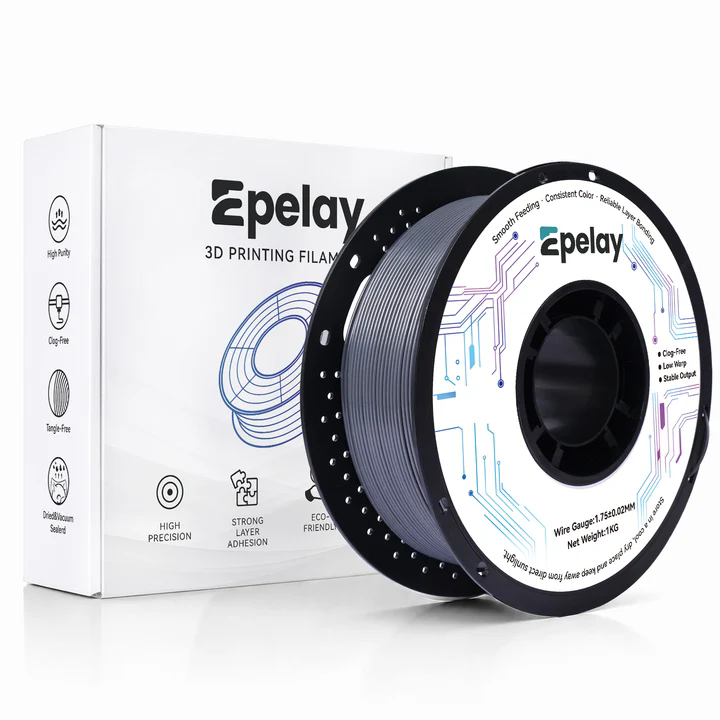
Not all spools cost the same. The 3d printer filament you choose determines how much you pay per kilogram. Each material comes with a different price tag based on its properties and ease of use. Understanding these differences helps you match your project to the right filament.
Budget-Friendly Options: PLA and PETG
PLA and PETG dominate the low-cost category. PLA typically costs between $18 and $25 per kilogram. This material is cheap because it prints easily at low temperatures. It does not require a heated bed or an enclosure. The raw materials come from renewable sources like cornstarch, which keeps base costs low. Widespread availability also keeps production costs down. Many manufacturers produce PLA, creating competition that benefits you.
However, you need to watch out for extremely cheap PLA. Filament below $15 per kilogram often contains impurities or inconsistent diameter. These issues cause clogs and failed prints. A failed print wastes material and time, making the cheap spool more expensive in the long run. Stick to reputable brands within the $18 to $25 range for reliable results.
PETG offers a compelling alternative. Recent market data shows PETG median prices at $18.99 per kilogram. Compare that to PLA at $19.99 per kilogram. PETG actually costs less than PLA in many cases now. The budget tier tells the same story. The cheapest verified PETG costs $13.49 per kilogram. The cheapest PLA costs $13.59 per kilogram. If you have been printing PLA for cost reasons, that reason is gone. This shift reflects changes in the 3d printer filament market. Manufacturers now produce PETG in larger volumes, bringing down costs.
PETG provides better strength and temperature resistance than PLA. It also prints with similar ease on most printers. The trade-off is a slightly higher learning curve for stringing and adhesion. However, PETG handles impact better than PLA. It also withstands higher temperatures without deforming. This combination of strength and affordability makes PETG an excellent choice for functional parts. The price advantage makes PETG worth trying for your next project.
Mid-Range and Specialty Materials: ABS, TPU, and Nylon
Moving up the price ladder, you encounter materials with specialized properties. ABS filament costs between $20 and $28 per kilogram. This material offers higher durability and heat resistance than PLA. However, it requires a heated bed and often an enclosure to prevent warping. The extra hardware and printing difficulty explain why ABS costs more than PLA. Failed prints happen more often with ABS, which adds to your effective cost per finished part. The fumes from ABS also require good ventilation, adding another consideration.
TPU is a flexible filament useful for phone cases, gaskets, and other soft parts. Its price ranges from $25 to $35 per kilogram. Premium TPU brands can exceed $35 per kilogram. The higher cost comes from the material's rubber-like properties. Processing TPU requires slower print speeds and specific extruder settings. These challenges make it a mid-range option that demands patience and practice. The flexibility that makes TPU valuable also makes it one of the trickier filaments to master.
Nylon sits at the higher end of specialty materials. Engineering-grade nylon offers exceptional strength, wear resistance, and durability. However, nylon is highly moisture-sensitive. It absorbs water from the air, which ruins print quality if you do not dry it properly. This sensitivity drives up manufacturing and packaging costs. You must store nylon in sealed containers with desiccant. You also need to dry it before printing. Nylon also requires higher printing temperatures and often a hardened nozzle. All these factors push its price above $35 per kilogram and sometimes above $50 for premium blends.
The price differences across these materials tie directly to their properties. Easy-to-print filaments cost less because they require simple hardware and produce fewer failures. Challenging materials cost more because they need specialized equipment, tighter quality control, and careful handling. When you choose a 3d printer filament, consider not just the spool price but also the hidden costs of failed prints, supports, and maintenance. A reliable mid-range filament often delivers better value than a cheap spool that causes problems.
Key Factors That Influence Price
Brand Reputation and Quality Control
Paying a premium for a recognized brand buys you tighter quality control, not just a logo. Take Prusament PLA as an example. Their technical datasheet lists a diameter tolerance of 1.75 ± 0.02 mm. This precision ensures consistent extrusion volume. It reduces the risk of under- or over-extrusion. Your printed parts gain better dimensional accuracy as a result.
Here is the interesting part. Many premium brands source their raw material from the same manufacturers as generic brands. Companies like SUNLU, Polymaker, and ELEGOO often supply both sides of the market. Independent testing shows that Bambu Lab, ELEGOO, and SUNLU filaments print with indistinguishable quality. The price premium comes from convenience features and brand value, not superior raw material.
What do you actually get for the extra money? Quality control measures that save you time and material.
|
Quality Control Measure |
How It Justifies Higher Price |
|---|---|
|
Documentation (TDS, SDS, drying instructions) |
Reduces setup friction and trial-and-error, especially for hygroscopic materials |
|
Batch repeatability |
Ensures consistent color and print behavior between orders |
|
Packaging (dry seal, desiccant) |
Protects hygroscopic materials before opening, preventing moisture-related failures |
|
Profile support |
Reduces setup time and calibration effort |
|
Diameter tolerance |
Ensures consistent extrusion, reducing jams and surface defects |
Spool Size, Diameter Tolerance, and Material Purity
Buying larger spools directly lowers your effective cost per kilogram. A 1 kg spool costs about $26.53 per kg. A 2 kg spool drops to $22.63 per kg. A 5 kg spool goes even lower at $18.95 per kg. The difference between 1 kg and 5 kg is $0.00758 per gram. That savings adds up fast when you print regularly.
Diameter tolerance matters just as much as price. Commercial filament with ±0.02 mm tolerance has a total swing of only 0.04 mm. This works perfectly in all printers, including AMS systems. Recycled filament with ±0.1 mm tolerance has a swing of 0.20 mm. That is five times the variance. The AMS system has multiple pinch points. Too thin and rollers slip. Too thick and the filament jams. A single failure point stops your print completely. You then waste 20 minutes clearing a jam.
|
Filament Type |
Tolerance |
Actual Range |
Total Swing |
|---|---|---|---|
|
Commercial (e.g., Bambu) |
±0.02mm |
1.73–1.77mm |
0.04mm |
|
Virgin Pellets |
±0.05mm |
1.70–1.80mm |
0.10mm |
|
Recycled Only |
±0.1mm |
1.65–1.85mm |
0.20mm |
If you use recycled filament, measure the diameter at 10 points along the first meter. Enter the average into your slicer. This compensates for variance and reduces the risk of print failures.
The extra $3 to $5 per kg for premium 3d printer filament pays for itself. You gain 12 to 18 percent net operational savings. You also get up to 18 percent higher production throughput. Fewer clogs, less waste, and more successful prints make that premium worthwhile.
Proven Strategies to Save Money on Filament
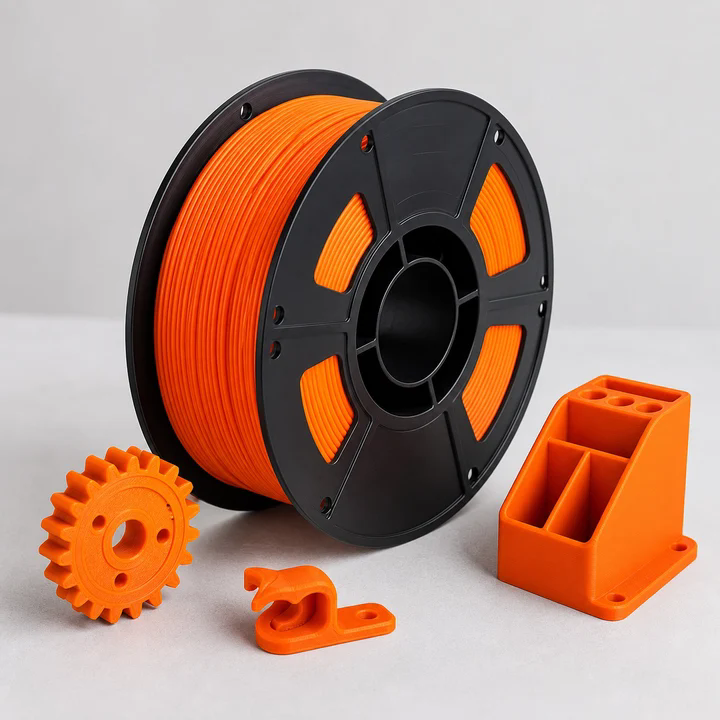
For a family printing regularly with standard PLA, the combined annual cost of filament and electricity can be a significant expense. That makes every dollar you save on filament matter. Two main strategies help you cut costs without sacrificing quality: buying in bulk and timing your purchases around sales events. Understanding these strategies turns filament from a recurring expense into a manageable cost.
Buying in Bulk and Multi-Pack Deals
Buying larger spools directly lowers your effective cost per kilogram. According to market data, a 1 kg spool costs about $26.53 per kg, a 2 kg spool costs $22.63 per kg, and a 5 kg spool costs $18.95 per kg. The savings between a 1 kg and 5 kg spool is over 28%. Always buy the largest spool you can use before the filament absorbs moisture. For most materials, 1 kg spools offer the best balance of cost and usability.
Multi-pack deals and bulk orders cut the price even more. For example, buying a 2 kg spool instead of two 1 kg spools saves about 15%, and a 5 kg spool saves about 29% compared to buying five 1 kg spools. If you cannot use that much yourself, split the order with friends. Many local 3D printing groups organize group buys to reach bulk pricing thresholds.
Cheaper suppliers also offer value options. Brands like SUNLU and Elegoo sell reliable filament at lower prices. Expect prices to dip significantly during major sales events. For the adventurous, some online marketplaces may offer very low prices, but quality can be a gamble. Measure the diameter at 10 points along the first meter if you try this route. Buy a single spool first to test quality before committing to a larger order. Store bulk filament in sealed containers with desiccant to prevent moisture damage over time.
Leveraging Discounts, Loyalty Programs, and Sales
Timing your purchases around major sales events delivers the deepest discounts. Black Friday and Cyber Monday are major retail events often offering the best deals on filament. Consider these key points:
-
Black Friday and Cyber Monday are the major retail events offering the deepest discounts on filament.
-
Some manufacturers run sales events during this period.
-
For most online brands, Black Friday and Cyber Monday are part of one long Cyber Week event with typically the same prices.
-
The event also offers extra perks like reward points and coupons, further increasing the effective discount.
Loyalty programs and reward systems provide another path to savings. Some model repositories offer reward programs where you can exchange points for filament. You earn points primarily by uploading models. Those models then generate residual credits as others download and boost them. Additional points come from rating models, reviewing, completing profiles, and watching tutorial videos. Active community members can effectively fund their filament purchases. Some even earn enough credits to cover new printers and accessories. This approach works best if you already design and share models regularly.
Joining manufacturer loyalty programs or subscribing to newsletters gives you access to exclusive discounts. Many brands send coupon codes and sale announcements to subscribers first. These offers often combine with sales events for even deeper savings. Stacking a loyalty discount on top of a Black Friday sale price can bring high-quality filament down to budget territory. Set a calendar reminder for major sales events each year. Plan your purchases around these dates to maximize your savings. Combine these strategies with bulk buying for the lowest possible cost per kilogram of 3d printer filament.
Online vs. Local Stores: Where to Find the Best Prices
You have two main options for buying filament: online retailers and local shops. Each choice offers distinct advantages. Understanding both helps you decide where to spend your money.
The Convenience and Variety of Online Retailers
Online stores dominate the filament market for good reason. They offer the widest selection of brands, colors, and materials. You can compare prices across dozens of sellers within minutes. This competition drives prices down. Budget brands like SUNLU and ELEGOO sell primarily through online marketplaces. Their lower overhead costs translate directly into cheaper spools for you.
Shipping costs and delivery times matter when comparing online prices. A $15 spool with $8 shipping costs more than a $20 spool with free shipping. Always calculate the total delivered cost before making a purchase. Many retailers offer free shipping thresholds. Adding one more spool to reach that threshold often saves you money overall. Delivery times also vary. Standard shipping might take a week. Express options cost more but arrive faster. Factor these delays into your project timeline.
Online reviews provide another advantage. You can read hundreds of user experiences before buying. This feedback helps you avoid poor-quality batches. Look for consistent complaints about diameter variance or tangling. These patterns reveal real problems. However, remember that reviews can be manipulated. Focus on verified purchases and detailed, specific feedback.
The Immediate Gratification and Support of Local Shops
Local stores offer benefits that online retailers cannot match. You get your filament immediately. No waiting for shipping. You can inspect the spool before buying. Check the winding quality and feel the material. This hands-on examination catches problems that photos hide. You also support your local economy and build relationships with knowledgeable staff.
Price matching bridges the gap between local and online prices. Some local stores actively compete with online retailers. Consider this example policy from a Canadian retailer:
|
Policy Component |
Key Details |
|---|---|
|
Core Promise |
Matches lower prices from qualifying Canadian retailers on identical items. |
|
Eligibility |
Product must be identical (brand, type, size, model); new and in stock at competitor; price publicly advertised in CAD by a legitimate Canadian retailer. |
|
Exclusions |
Marketplace/third-party sellers, clearance/refurbished items, pricing errors, membership-only or bulk pricing, limited-time promotions. |
|
Request Method |
Submit a link/screenshot of lower price, retailer name, and product page for verification. |
This policy shows how local stores compete. You bring proof of a lower online price. The store matches it. You get the best of both worlds: immediate pickup and competitive pricing. Ask your local shop about their price-matching policy. Not every store offers one, but many do. The savings add up, especially for regular purchases of 3d printer filament.
Mastering filament cost management means balancing material type, brand quality, and purchasing strategy. The most expensive roll does not guarantee the best results. Your specific printing needs matter more than the price tag. Start with PLA for cost-effective learning. Match each material to its application. Use PETG for strength. Reserve TPU for flexible parts. Store filament properly in sealed bags with desiccant. This simple step prevents waste from moisture damage. Apply the saving strategies from this guide. Buy in bulk. Time purchases around sales events. These actions cut costs without sacrificing quality. When you master cost management, you focus on creativity instead of budget constraints. Your 3D printing hobby becomes sustainable and affordable.
FAQ
How much should I expect to pay for a standard spool of filament?
You will typically spend $18 to $25 for a 1 kg spool of PLA or PETG. Budget options can dip below $15, but quality often suffers. Premium materials like Nylon or carbon fiber blends cost $35 to $65 or more per kilogram.
Is expensive filament always better than cheap filament?
No. Premium brands offer tighter diameter tolerances and better quality control. However, independent testing shows that budget brands like SUNLU and ELEGOO print with quality comparable to premium options. The extra cost often buys convenience features, documentation, and packaging rather than superior raw material.
How can I reduce my filament costs without sacrificing quality?
Buy larger spools. A 5 kg spool costs about $18.95 per kilogram compared to $26.53 for a 1 kg spool. Order in bulk with friends to reach discount thresholds. Time your purchases around Black Friday and Cyber Monday sales events for additional savings.
What hidden costs should I consider when choosing a filament?
Failed prints add hidden costs. Cheap filament with inconsistent diameter causes clogs and wasted material. ABS requires a heated enclosure. Nylon needs drying equipment and desiccant storage. Factor these expenses into your total cost per successful print.
How does spool size affect the price per kilogram?
Smaller spools cost significantly more per gram. A 250g spool at $10 equals $40 per kilogram. A 1 kg spool at $25 equals $25 per kilogram. Always calculate the effective cost per kilogram before purchasing to ensure you get the best value.


